By Rachel Galvin
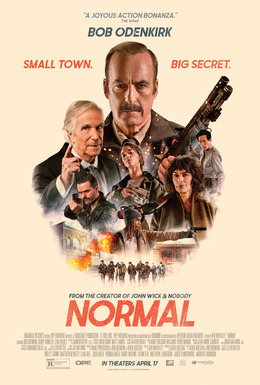
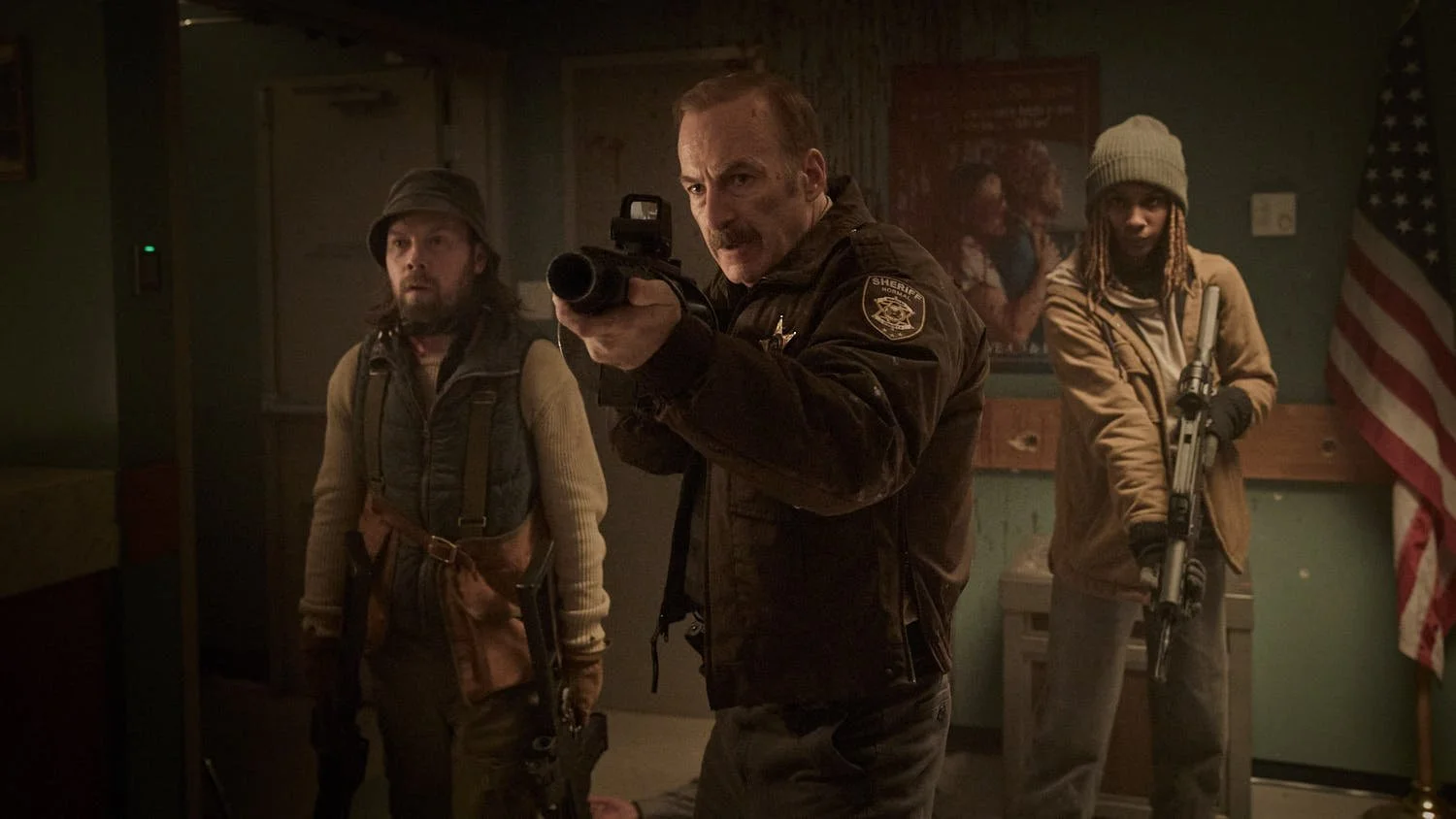
Nothing is normal in the tiny town of Normal, Minnesota — something that the interim sheriff Ulysses (Bob Odenkirk) is about to discover. Mellow and measured, Ulysses slowly takes in the scene as he meets one odd character after another, from an off kilter hokey underling to the old lady with a knitting shop who happens to stave off loneliness by listening to a police scanner, or the constantly bickering merchants. There is Alex, who is grieving her father’s death (the former sheriff) and just can’t seem to fit in in this backward town and is revealed to be non-binary. Then, there is the mayor, played by Henry Winkler in a surprising role, who from the get-go seems to show some disdain to the newcomer.
Ulysses’ goal is to just leave the town the way he came in after his eight-week stint is through. This is just a speed bump on the road of his go through to get through existence … his road it seems to nowhere, as he is feeling lost after an incident that happened in his past. He does not know his next destination, but he knows he will just coast through this experience.
But, things don’t go the way he expected. When a bank robbery turns the sleepy town into a code red situation, he has to spring into action… except he does it like a snail… with calm demeanor and careful action, unlike his counterparts who are ready to take action in an unexpected way…. hmm… the plot thickens.
Let me step back… there is something that has not been mentioned… in the beginning of the film, there is a completely different tone set… in Osaka Japan, a menacing man says his people have disappointed him and he threatens to kill them, leading them to having to do a bit of self mutilation for his pleasure … Then, he mentions they need to go to Normal. So… you know that these men from Japan somehow will be interacting with the townspeople … but how that will happen is very unclear. It isn’t until a robbery occurs in the town that springs everyone into action that it all becomes clear. The audience expects this collision of cultures, what they don’t expect is who else will be coming after Ulysses and that is the crux of the film.
Other than the opening scene with the Japanese men, the first about hour of the rest of the movie is quiet exposition and then the action starts with some pretty dramatic kills. They throw in some very dry humor. Ulysses uses his overly calm gee-whiz style to turn people around to his side.
Bob Odenkirk fans will find this “Fargo”-esque film an interesting watch. They will like the dramatic action and attempt to add humor if they can sit through the exposition in the beginning. It is slow-going. Ulysses soft shoes it throughout, never seeming to get beyond a mere numbing depressive but friendly state as he takes on killing people. He can do this in his sleep but has no bravado about it. It’s second nature but he’s not arrogant about it either. It just is a job that needs to be done and he tries to help some people on the way.
The film was independent (yay!) and directed by Ben Wheatley. It was written by Derek Kolstad, the same screenwriter who wrote the “Nobody” films and several of the “John Wick,” as well as “Ballerina.” So you will see a similarity in crazy action. This film turns into a gore fest — think exploding bodies. There was a hint of it in the very beginning with cut off fingers.
I think this film is probably best watched with an audience who will laugh and groan at all the right places and add to the fun. The movie opens in theaters Friday, April 17.